
Understanding the language of vinyl siding systems is essential for every homeowner. Whether you’re planning an installation, reviewing contractor quotes, or assessing your home’s exterior, knowing these key terms will help you make confident, informed decisions about protecting and improving your property.


The substrate is the underlying surface or material to which vinyl siding panels are attached. It typically consists of wood sheathing, foam insulation board, or oriented strand board (OSB). A sound substrate is critical for proper siding installation, as any moisture damage, rot, or unevenness in this layer can compromise the stability, appearance, and long-term performance of the vinyl siding above it.
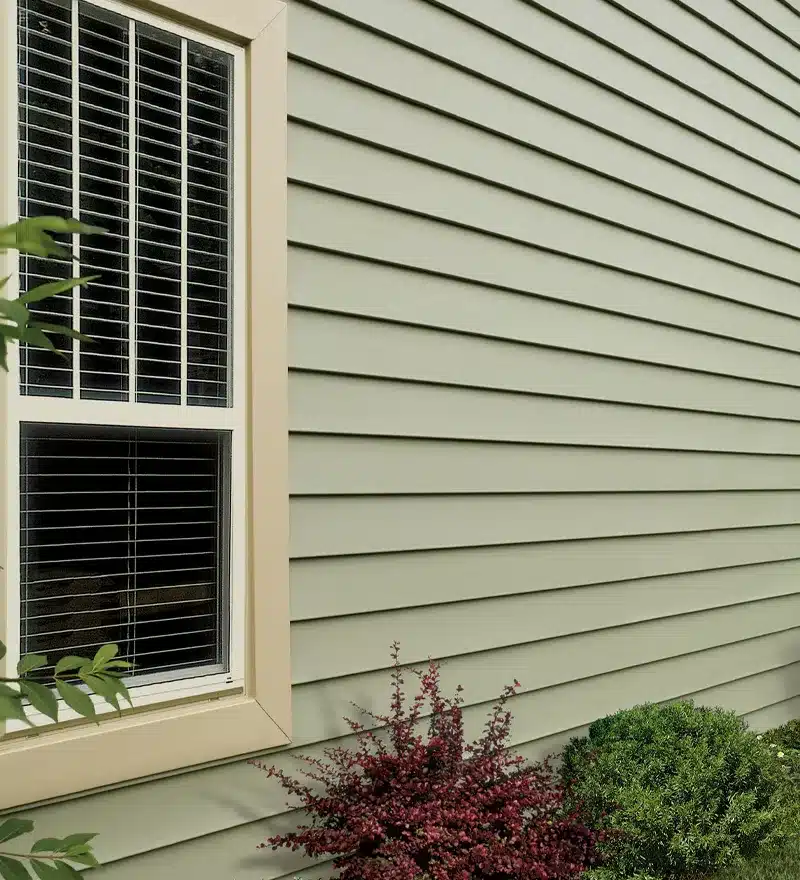
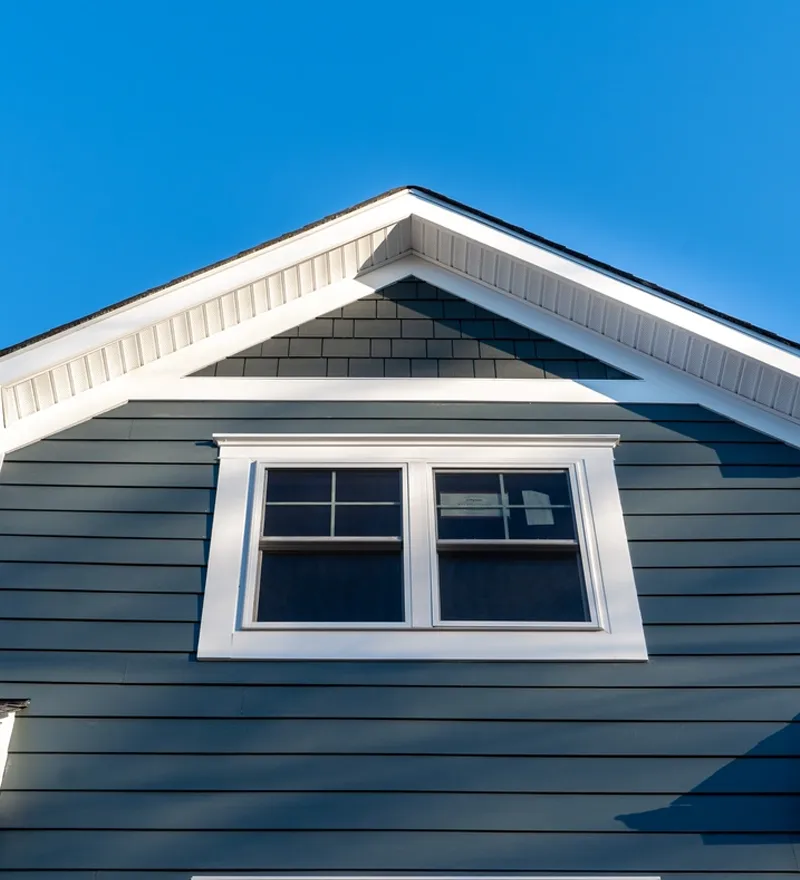
Lap siding refers to a horizontal installation style where each vinyl panel overlaps the one below it, creating a layered, weather-resistant profile. This is the most common vinyl siding configuration and is designed to shed rainwater efficiently away from the home's exterior wall. The degree of overlap, known as the exposure, affects both the aesthetic look and the panel's ability to protect against moisture infiltration.
A J-channel is a trim accessory used in vinyl siding installations that resembles the letter "J" in cross-section. It is installed around windows, doors, and at the corners of a home to neatly receive and secure the edges of siding panels. Properly installed J-channels prevent gaps where wind-driven rain or insects could penetrate, and they allow siding panels to expand and contract without buckling or warping.
The butt edge is the lower, exposed edge of a vinyl siding panel — the part that is visible once installed. It is the portion that overlaps the panel below and gives the siding its finished, layered appearance. The straightness and alignment of the butt edge across panels is a key indicator of installation quality, as misaligned butt edges can create an uneven, unprofessional appearance on the home's exterior.
Weep holes are small openings located along the bottom edge of vinyl siding panels and trim accessories. They serve as drainage points that allow any water that gets behind the siding — through condensation or minor infiltration — to escape rather than become trapped against the wall. Blocked weep holes can lead to moisture buildup behind the siding, encouraging mold growth, rot in the substrate, and long-term structural deterioration.
Panel exposure refers to the visible width of a vinyl siding panel after it has been installed and overlapped by the panel above it. The exposure measurement determines how much of each panel is seen from the exterior and plays a significant role in the overall aesthetic of the finished siding job. Wider exposures create a bolder, more dramatic look, while narrower exposures give a more traditional or refined appearance to the home's facade.
Coursing describes the horizontal rows or lines created by installed vinyl siding panels across a wall surface. Consistent, level coursing is a hallmark of a professional siding installation and ensures that panels align evenly across the entire exterior of the home. Irregular coursing — caused by improper layout planning or uneven starter strips — can make even high-quality siding materials look poorly installed and may affect the panel's weather-sealing performance.
Thermal expansion is the natural process by which vinyl siding panels expand in heat and contract in cold temperatures. Unlike wood or fiber cement, vinyl is highly sensitive to temperature fluctuations. Installers must account for this movement by leaving small gaps at panel ends and using loose nailing techniques that allow the material to shift freely. Failure to accommodate thermal expansion can result in buckled, warped, or cracked siding panels.
We provide a detailed evaluation of your current windows, including performance insights and upgrade recommendations.
Our team ensures precise installation for maximum efficiency, durability, and long-term performance.
We help you choose windows designed to reduce energy costs and improve indoor comfort year-round.
From consultation to completion, we keep communication clear and straightforward every step of the way.
(317) 689-0937