
Home / Glossary / James Hardie Siding Installation

James Hardie Siding Installation Glossary

Understanding the language of James Hardie siding installation is essential for every homeowner. Whether you’re comparing materials, reviewing contractor estimates, or planning an exterior upgrade, knowing these key terms will help you make informed decisions about your home’s protection and curb appeal.
Free Inspection Today
This field is for validation purposes and should be left unchanged.
Name(Required)
Address(Required)

7+

Years in Business

2000+

Projects Completed

24

Hour Response Time

Essential Terms Every Homeowner Should Know

Fiber cement is the composite material used to manufacture James Hardie siding, made from a blend of cement, sand, and cellulose fibers. This combination creates a product that resists fire, rot, pests, and warping far better than traditional wood siding, while still offering the look and texture of natural wood.
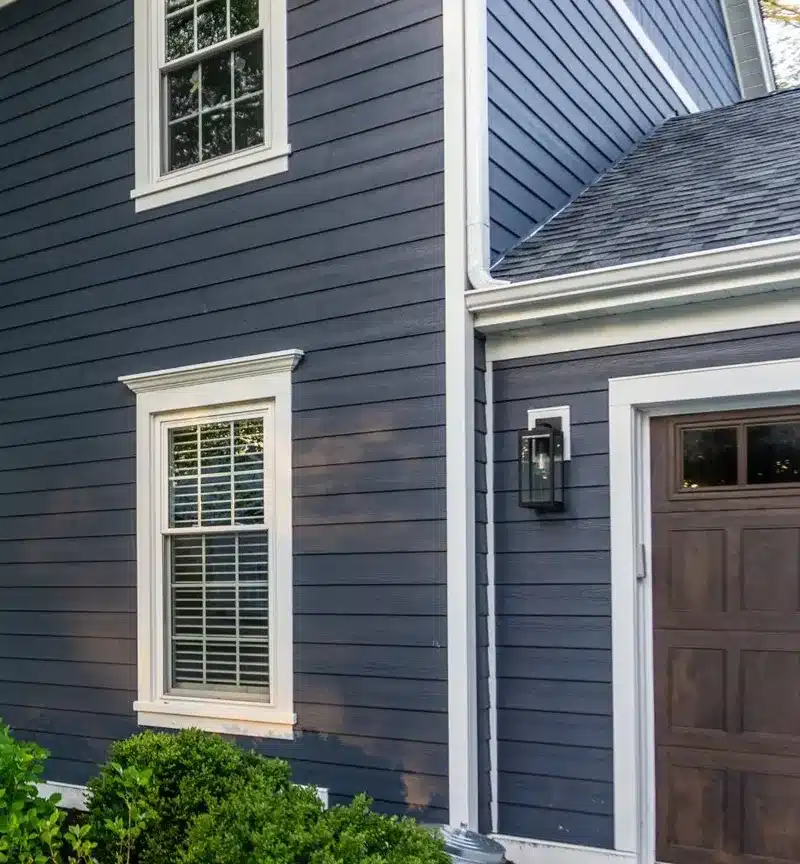
HardiePlank is James Hardie's flagship lap siding product, designed to mimic the appearance of wood clapboard. It's available in multiple textures and styles, offering homeowners a durable, low-maintenance alternative that withstands harsh weather conditions without cracking or splitting over time.
ColorPlus Technology is James Hardie's proprietary factory-applied finish that bonds color to the siding through a baking process. This finish resists fading and chipping better than field-applied paint, reducing the need for repainting and helping the siding maintain its appearance for years.
This term refers to James Hardie's practice of manufacturing siding formulated for specific regional weather conditions, such as humidity, freeze-thaw cycles, or intense sun exposure. Choosing climate-engineered siding ensures optimal performance and longevity based on your local environment.
A rainscreen system is an installation technique that creates a small air gap between the siding and the home's water-resistive barrier. This gap allows moisture to drain and evaporate, reducing the risk of trapped water, mold growth, and structural damage behind the siding.
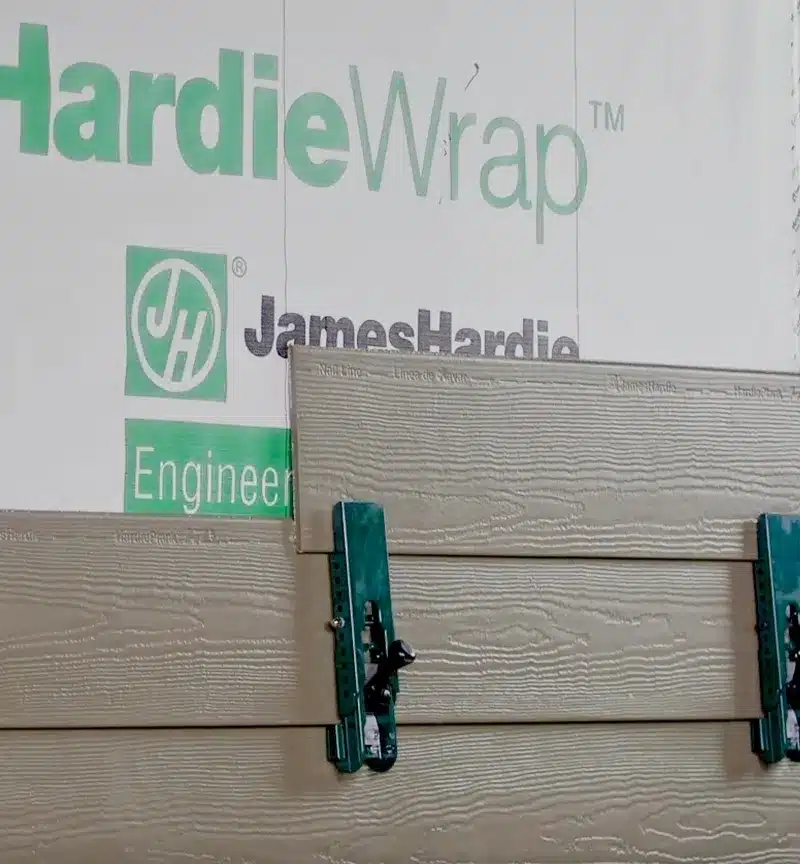
The water-resistive barrier is a layer of material installed on the exterior wall sheathing before siding installation. It acts as a secondary defense against moisture infiltration, working alongside proper flashing and siding installation to keep water out of your home's structure.
Flashing refers to thin strips of metal or composite material installed around windows, doors, and other wall penetrations to direct water away from vulnerable areas. Proper flashing is critical during siding installation to prevent leaks and water damage behind the siding panels.
A butt joint is the point where two pieces of siding meet end-to-end during installation. Properly sealed and staggered butt joints are essential to prevent water infiltration and ensure a clean, seamless appearance across the siding's surface.
james hardie fiber cement siding

Why Choose Element Roofing

Free Roof Assessment

We provide a detailed evaluation of your current windows, including performance insights and upgrade recommendations.

Expert Installation

Our team ensures precise installation for maximum efficiency, durability, and long-term performance.

Energy-Efficient Solutions

We help you choose windows designed to reduce energy costs and improve indoor comfort year-round.

Transparent Process

From consultation to completion, we keep communication clear and straightforward every step of the way.

Protect Your Home with Knowledge

Understanding these key terms helps you make informed decisions about your siding installation and communicate effectively with contractors. Regular assessments and proactive care are your best defenses against weather damage. Take action today to keep your home’s exterior performing at its best.