
Understanding the language behind architectural shingles is essential for every homeowner. Whether you’re getting contractor quotes, planning a roof replacement, or simply maintaining your home, knowing these key terms will help you make confident, informed decisions about one of your property’s most critical protective systems.


Laminated shingles are another name for architectural shingles, referring to the way multiple layers of asphalt material are bonded together during manufacturing. This lamination process creates a thicker, more dimensional product compared to traditional 3-tab shingles, resulting in enhanced durability, a longer lifespan, and greater resistance to wind uplift and weather exposure.
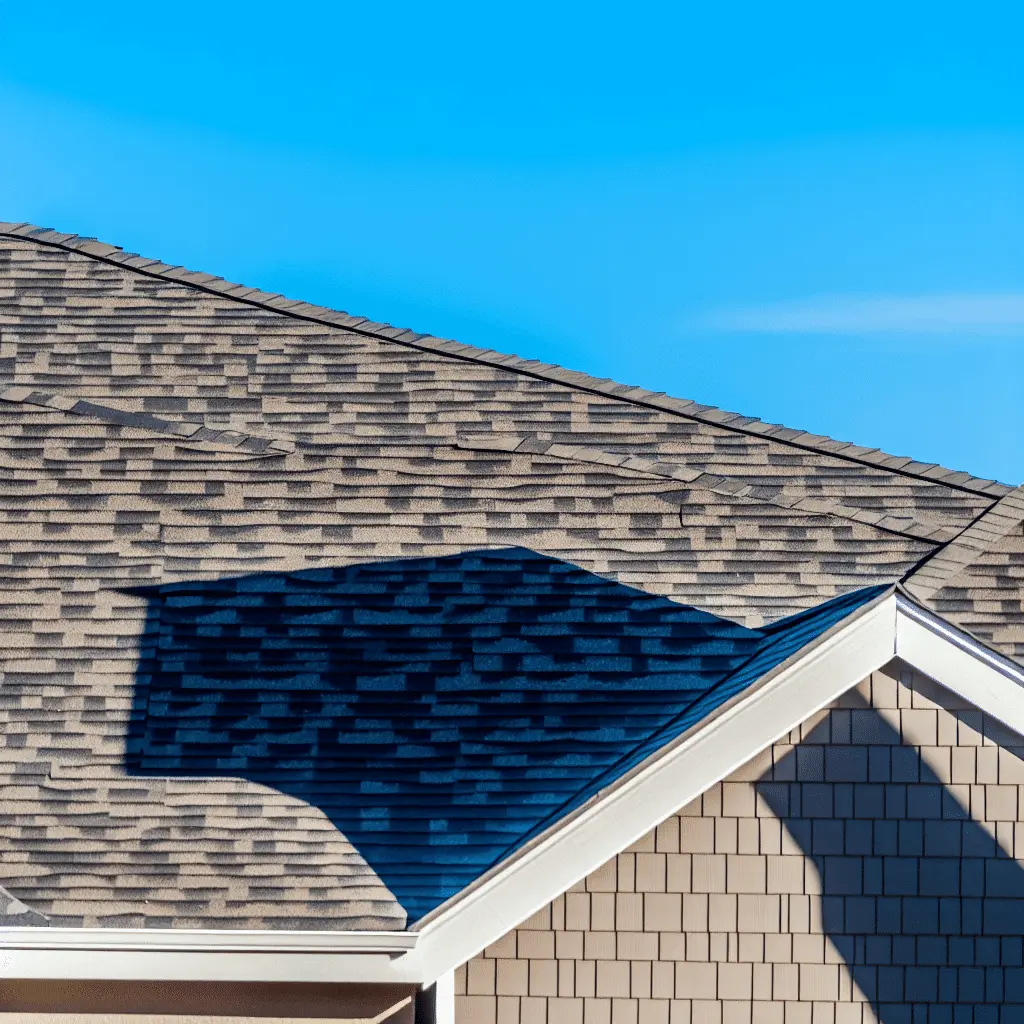
Dimensional shingles is a common alternate term for architectural shingles, highlighting their defining visual characteristic: a multi-dimensional, textured appearance that mimics the look of natural wood shake or slate. The layered construction creates varying shadow lines across the roof surface, adding architectural depth and curb appeal that flat, single-layer shingles cannot replicate.
The asphalt substrate is the core base material used in the manufacturing of architectural shingles. It consists of a fiberglass mat saturated with asphalt compounds, providing the structural foundation to which ceramic granules are applied. The quality and thickness of the asphalt substrate directly influences a shingle's overall performance, fire resistance rating, and how well it withstands temperature fluctuations over time.
Granule adhesion refers to how firmly the ceramic or mineral granules are bonded to the surface of an architectural shingle. These granules protect the asphalt layer from UV radiation and physical weathering. Poor granule adhesion — often visible as granule accumulation in gutters — can indicate premature shingle aging, reduced weather protection, and the potential need for early roof replacement.
A starter strip is a specially designed row of shingles installed along the eaves and rakes of a roof before the main field shingles are applied. On architectural shingle installations, the starter strip provides a critical sealed edge that prevents wind-driven rain from penetrating beneath the first course of shingles, reducing the risk of water intrusion and ensuring the manufacturer's wind warranty remains valid.
Ice and water shield is a self-adhering waterproof membrane installed beneath architectural shingles in vulnerable areas such as eaves, valleys, and roof penetrations. It creates a watertight barrier that protects the roof deck from damage caused by ice dams — a condition where melting snow refreezes at the roof's edge and forces water upward beneath the shingles, leading to interior leaks and structural deterioration.
The roof deck is the structural panel — typically oriented strand board (OSB) or plywood — that forms the base surface to which architectural shingles and underlayment are fastened. A solid, moisture-free roof deck is essential for proper shingle performance and adhesion. Damaged or deteriorated decking must be repaired or replaced before new architectural shingles are installed to ensure the system's long-term integrity.
Thermal splitting is a type of shingle damage caused by repeated cycles of extreme heat and cold that cause the asphalt material to expand and contract. Over time, this stress can create cracks or splits along the surface of architectural shingles, compromising their waterproofing capability. Quality architectural shingles are engineered with flexible asphalt formulations specifically designed to resist thermal splitting across a wide range of climate conditions.
We provide a detailed evaluation of your current roof, including performance insights and upgrade recommendations tailored to your home.
Our team ensures precise installation of architectural shingles for maximum efficiency, durability, and long-term performance you can count on.
We help you select architectural shingle options designed to reduce energy costs and improve indoor comfort throughout every season.
From initial consultation to final completion, we keep communication clear and straightforward at every step of your project.
Understanding these architectural shingles terms puts you in control — whether you’re evaluating quotes, planning a replacement, or simply maintaining your roof’s condition. A well-informed homeowner is always better equipped to catch early warning signs and communicate clearly with roofing professionals. Don’t wait for damage to appear.
(317) 689-0937