


The window frame is the structural component that surrounds and supports the entire window system. Typically made from materials like vinyl, wood, fiberglass, or aluminum, the frame plays a key role in durability, insulation, and overall performance.
Double-glazed windows consist of two panes of glass separated by a space filled with air or gas, such as argon. This design improves insulation, reduces heat transfer, and enhances energy efficiency compared to single-pane windows.
Low-emissivity (Low-E) glass is coated with a thin, transparent layer that reflects heat while allowing light to pass through. This helps keep your home cooler in the summer and warmer in the winter, improving comfort and reducing energy costs.
A window seal is the airtight barrier between glass panes that prevents moisture and air from entering. When seals fail, condensation can form between panes, reducing visibility and compromising insulation performance.
Air leakage refers to the unwanted flow of air through gaps or cracks around a window. This can lead to drafts, higher energy bills, and reduced indoor comfort. Proper installation and sealing are critical to minimizing air leakage.
Condensation occurs when warm, moist air comes into contact with a cooler window surface, forming water droplets. While some condensation is normal, excessive buildup may indicate poor insulation or ventilation issues.
Window flashing consists of waterproof materials installed around the window to direct water away from the structure. Proper flashing is essential to prevent leaks and protect the surrounding walls from moisture damage.
Energy efficiency ratings measure how well a window performs in terms of insulation, solar heat gain, and air leakage. These ratings help homeowners compare products and choose windows that reduce energy consumption.
Window replacement involves removing old or inefficient windows and installing new ones to improve performance, appearance, and energy efficiency. This upgrade can significantly enhance comfort and increase property value.
Professional installation ensures that windows are properly fitted, sealed, and secured. Even high-quality windows can underperform if installed incorrectly, making expert installation critical for long-term results.
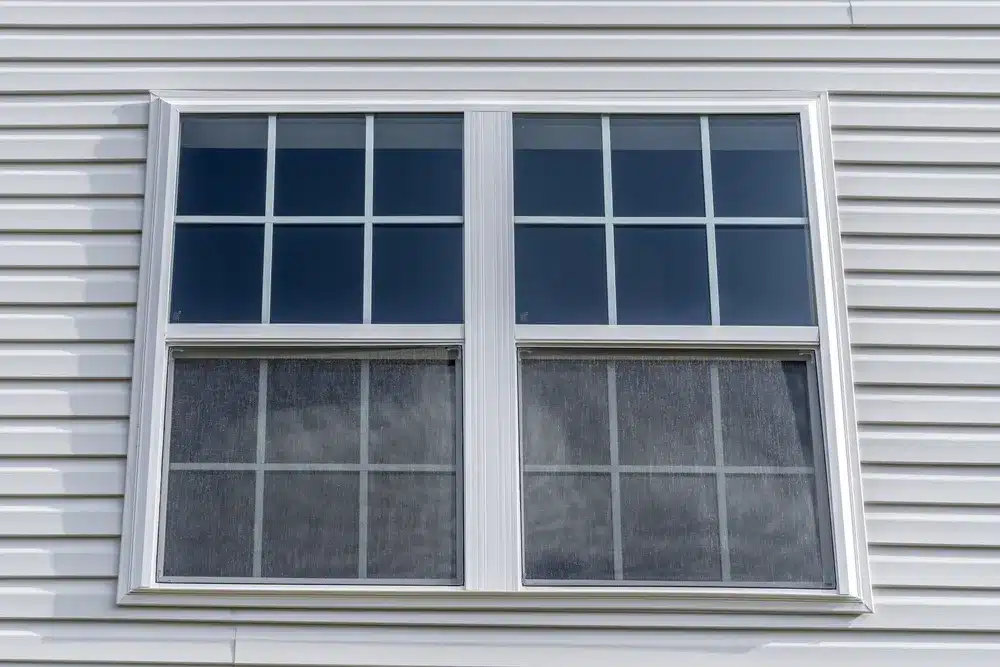

We provide a detailed evaluation of your current windows, including performance insights and upgrade recommendations.
Our team ensures precise installation for maximum efficiency, durability, and long-term performance.
We help you choose windows designed to reduce energy costs and improve indoor comfort year-round.
From consultation to completion, we keep communication clear and straightforward every step of the way.
Your windows play a major role in how your home looks, feels, and performs. Understanding the basics helps you recognize when it’s time for an upgrade and what features truly matter.
With the right knowledge, you can choose solutions that reduce drafts, improve insulation, and enhance natural light—creating a more comfortable and efficient living space. Smart window decisions today lead to long-term savings and a better home experience.
(317) 689-0937