
Understanding the language of roof replacement is essential for every homeowner. Whether you’re planning a full replacement, reviewing contractor bids, or simply trying to protect your investment, knowing these key terms will help you make informed decisions and avoid costly misunderstandings throughout the process.


Decking, also called roof sheathing, is the flat panel material — typically plywood or oriented strand board (OSB) — that forms the structural base of your roof. It sits directly on top of your rafters and serves as the surface to which all other roofing materials are attached. During a roof replacement, decking is inspected for rot, soft spots, or water damage, and damaged sections must be replaced before new materials can be installed.
Underlayment is a water-resistant or waterproof layer installed directly onto the roof decking, beneath the shingles or other roofing materials. It acts as a secondary barrier against moisture, protecting the decking and interior structure if water ever gets past the outer roofing layer. Common types include felt underlayment and synthetic underlayment, with the latter offering greater durability and tear resistance during and after installation.
Flashing refers to thin strips of metal — typically aluminum or galvanized steel — installed at vulnerable roof areas such as valleys, chimneys, skylights, and wall intersections. Its purpose is to seal joints and transitions where water is most likely to penetrate. During a roof replacement, old or corroded flashing is commonly replaced to ensure a watertight seal and prevent leaks that could otherwise lead to serious interior damage over time.
An ice and water shield is a self-adhering, waterproof membrane applied to the most vulnerable areas of a roof before shingles are installed, such as eaves, valleys, and around penetrations. It is specifically designed to prevent water infiltration caused by ice dams — a condition where melting snow refreezes at the roof's edge and forces water back up under the shingles. Most building codes require its installation in cold-weather climates.
The ridge cap is a specialized roofing material applied along the peak of a roof — the horizontal line where two roof slopes meet at the top. Unlike standard shingles, ridge cap shingles are pre-bent and reinforced to withstand exposure at this high-stress point. They provide weatherproofing at the roof's highest seam while also contributing to proper attic ventilation when used alongside a ridge vent system.
A drip edge is a metal flashing strip installed along the edges of the roof — at the eaves and rakes — to direct water away from the fascia and into the gutters. Without a properly installed drip edge, water can run behind the gutters, causing rot to the fascia board and potential water intrusion into the home. During a roof replacement, installing or replacing the drip edge is considered a best practice and is often required by local building codes.
Roof pitch describes the steepness or slope of a roof, typically expressed as a ratio of vertical rise to horizontal run — for example, 6:12 means the roof rises 6 inches for every 12 inches of horizontal distance. Pitch directly affects the type of materials that can be used, how water drains from the surface, and the overall cost and complexity of a roof replacement. Steeper pitches generally require more safety measures and labor, influencing the final project estimate.
A roofing warranty is a written guarantee that covers defects in materials, workmanship, or both for a specified period following installation. Manufacturer warranties typically cover material defects, while contractor or workmanship warranties cover installation errors. Understanding the difference between these two types of coverage is critical when comparing quotes for a roof replacement, as gaps in warranty protection can leave homeowners financially exposed to repair costs down the line.
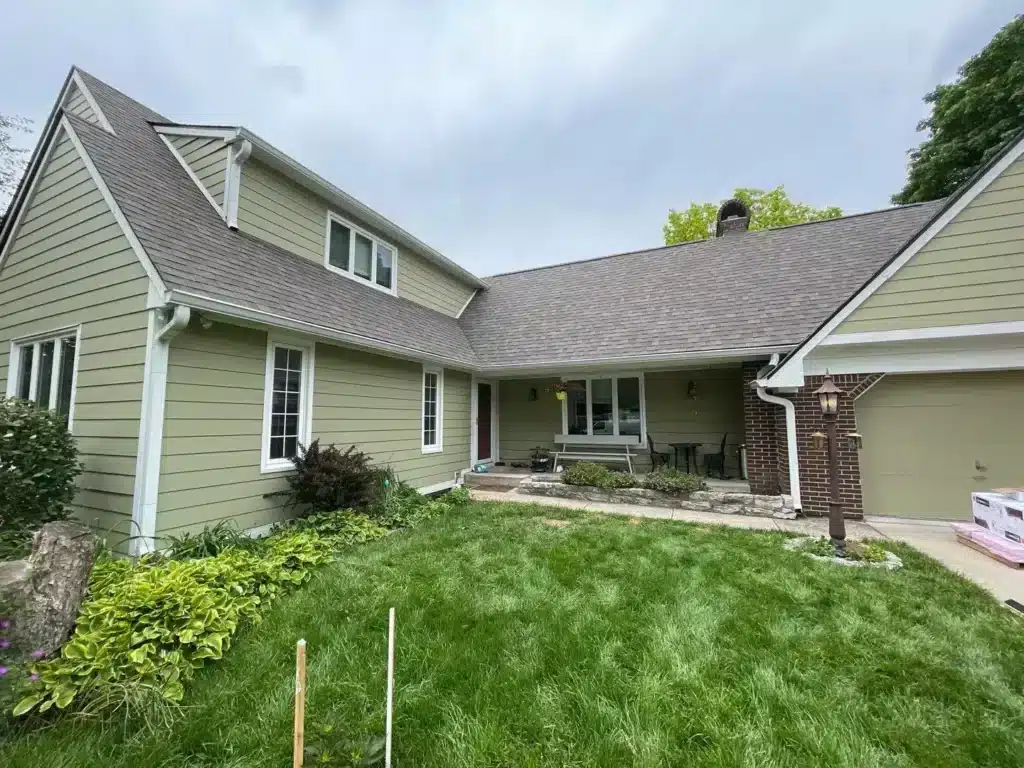
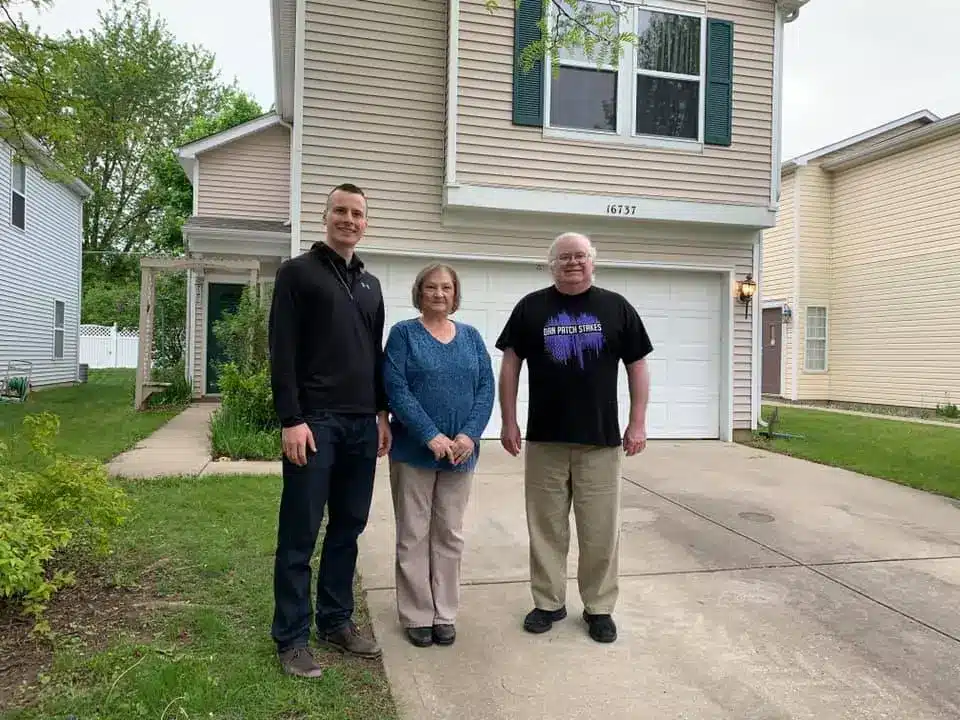
We provide a thorough evaluation of your current roof, identifying problem areas and delivering clear recommendations before any work begins.
Our trained team ensures every component is installed with precision, maximizing durability and long-term performance for your home.
We help you select roofing materials designed to improve thermal performance, reduce energy costs, and enhance year-round indoor comfort.
From your first consultation through final inspection, we communicate clearly at every stage so you always know what to expect.
Understanding these roof replacement terms puts you in a stronger position when speaking with contractors, comparing quotes, and making decisions that protect your home for decades to come. A well-informed homeowner is better equipped to spot quality workmanship and avoid unnecessary expenses. Don’t wait for visible damage to take action — proactive knowledge is your first line of defense.
(317) 689-0937