


Single-Family Homes
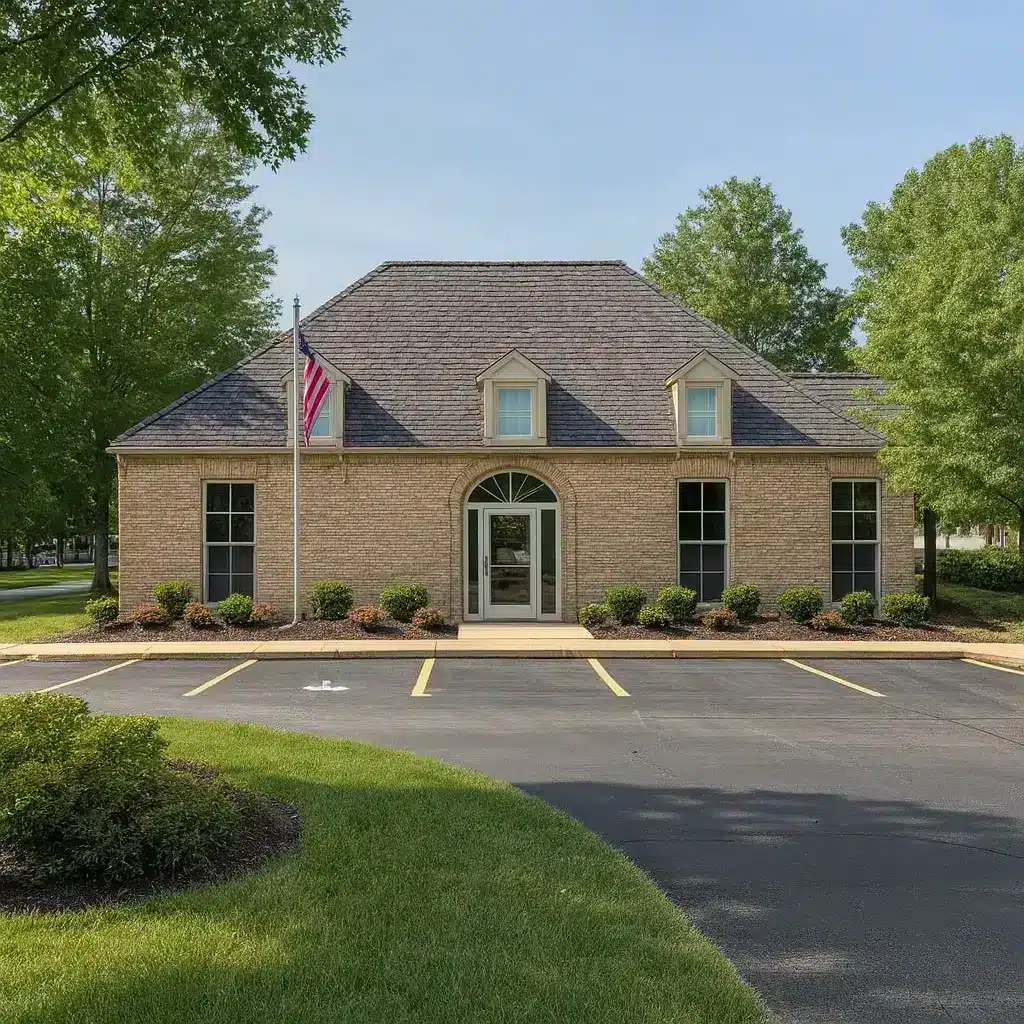
Pitched roofs, fast turnarounds, and a single homeowner making the call. Indiana’s hail and ice cycles demand asphalt systems rated for impact and freeze-thaw performance.
Flat & Low-Slope Buildings
TPO, EPDM, and modified bitumen systems dominate commercial builds. Scope is larger, timelines are longer, and code requirements are stricter — downtime costs money.
HOAs, Condos & Apartments
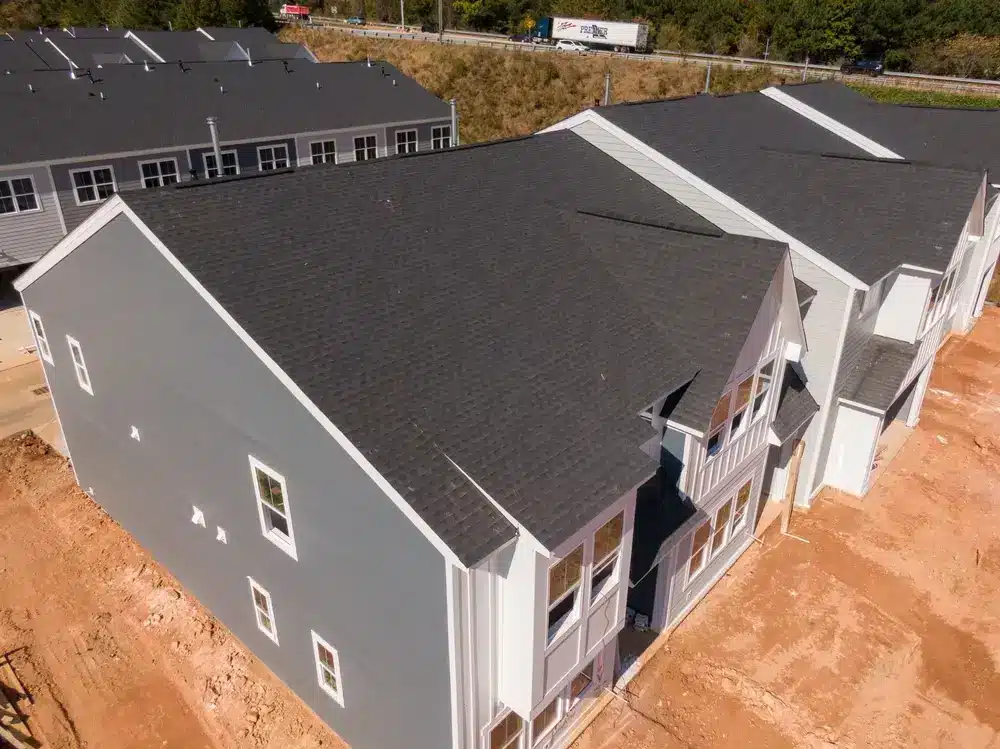
Multiple stakeholders, shared structures, and phased scheduling define this category. Communication with property managers and HOA boards is as important as the installation itself.
Indiana Freeze-Thaw Stress Central Indiana averages 20+ freeze-thaw cycles per winter, cracking shingles and opening seams on all roof types — residential and commercial alike.
Hail Is a Major Driver Indiana sees significant hail activity. Class 4 impact-rated shingles are the right call for residential. Commercial flat membranes need reinforced TPO or coated surfaces.
Code Varies by Type Residential, commercial, and multifamily roofs each fall under different building codes. Using the wrong spec on the wrong building type creates permit and warranty problems.
Energy Codes Apply Indiana's energy code affects insulation R-values beneath commercial and multifamily roofs. Flat systems often require continuous insulation layers not needed on residential builds.
HOA Adds Complexity Multifamily and HOA projects require board votes, phased scheduling, and resident notification plans. This coordination layer adds time that residential jobs don't carry.
Scale Changes Everything A single-family shingle job uses a different crew, material volume, and equipment than a 40-unit apartment re-roof. Scope determines contractor qualifications needed.
| FACTOR | Residential | Commercial | Multifamily |
|---|---|---|---|
|
Roof
System |
Pitched (sloped)
asphalt, metal,
tile, slate |
Flat or low-slope
TPO, EPDM, PVC,
mod bitumen |
Mix of pitched &
flat depending on
bldg. design |
|
Scope &
Scale |
Single-family
home; 1,500–
3,500 sq ft avg |
Large footprint;
could be 10,000–
100,000+ sq ft |
Multiple units;
shared structures,
staggered builds |
|
Permits &
Code |
Residential
building code;
homeowner permit |
Commercial
permit required;
IBC standards |
Mix of codes;
HOA board
approval often req. |
|
Decision
Maker |
Homeowner
(direct contract,
fast decisions) |
Building owner
or facilities
manager |
HOA board,
property manager,
or owner group |
|
Inspection
Process |
Free visual
inspection;
photo report |
Detailed scope
with core samples
& thermal scan |
Per-unit + common
area inspection;
coordinated access |
|
Timeline |
1–2 days for
full replacement
(most projects) |
Weeks to months
depending on
scope & access |
Phased schedule;
minimal resident
disruption priority |
|
Insurance
& Claims |
Homeowner’s
policy; hail &
wind coverage |
Commercial
property policy;
higher deductibles |
Master HOA
policy covers
shared structures |